


FASTENER BUYING MADE SIMPLE:
IDENTIFYING THE RIGHT POINTED TIP SCREW FOR YOUR APPLICATION
Pointed tip screws encompass those styles of screws which feature a body that tapers down to a sharp tip at the end and are designed to be installed directly into materials such as wood, plastics, or metals, rather than matching with a nut or threaded hole. Depending on the application and the hardness of the materials into which they are being installed, they may or may not require pre-drilling of pilot holes.
This guide will help you understand the variety of screw styles that come with sharp, pointed tips. It also contains information on the naming structure used for each style to help you navigate the complex nomenclature used in pointed tip screw product descriptions.
This category includes the following styles:
CONCRETE SCREWS
Concrete Screws are designed for installation into concrete or masonry materials and used to anchor items into them. Pre-drilling is required for installation. Masonry drill bits are supplied with these parts.
Example of a Concrete Screw description:
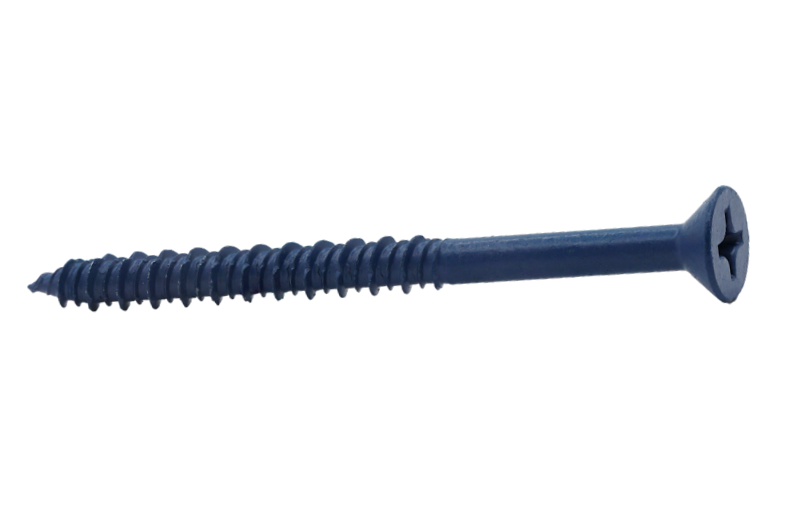
On this part, the “1/4” indicates the diameter size and the 1 1/4” indicates its length. It can be driven by a slotted bit but is more commonly driven using a hex bit fitting around its hex washer head. It is made out of case-hardened steel with a blue perma-seal coating, which is a ceramic coating used for corrosion resistance. This item comes with one masonry drill bit included in each box for pre-drilling into the material into which it is being installed.
DECK SCREWS
Designed specifically for deck building but can also be used in other wood projects, Deck Screws most commonly feature bugle-shaped heads in order to countersink flush within the wood upon installation. No pre-drilling should be required unless you are using an extremely hard type of wood.
Example of a Deck Screw description:
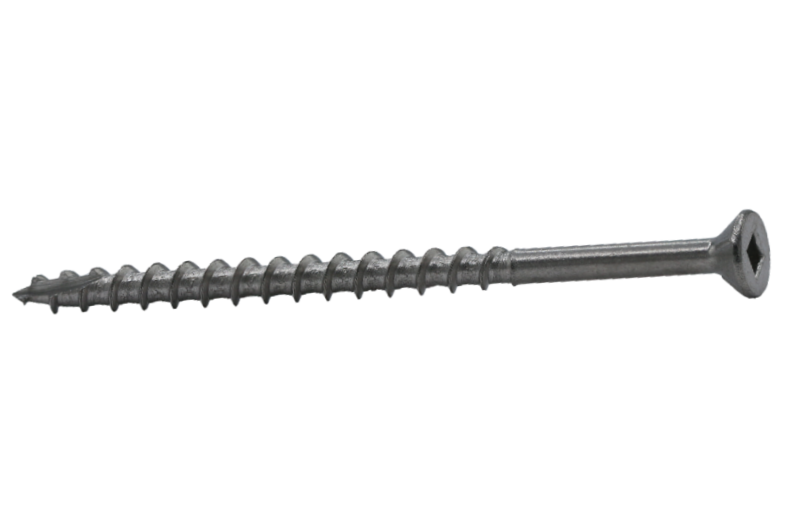
On this part, the “#8” indicates the diameter size and the 1” indicates its length. It is driven with a square shaped bit, has a flat head, and is made out of 18-8 stainless steel. It features small bumps called nibs on the underside of the head to provide a stronger hold. This part also features a type-17 point, which indicates a small notch cut out of its tip, designed to increase its ability to cut and thread into wood. It is fully threaded.
DRYWALL SCREWS
Drywall Screws are designed for hanging drywall and sheetrock onto wood or metal studs. Most common with bugle shaped heads in order to countersink flush within the drywall / sheetrock upon installation. No pre-drilling required. Available in four styles: Coarse Thread; Fine Thread; Self-Drilling; and High Low Threads. Thread style choice should be based on the materials to which you are attaching the drywall sheets.
Example of a Drywall Screw description:
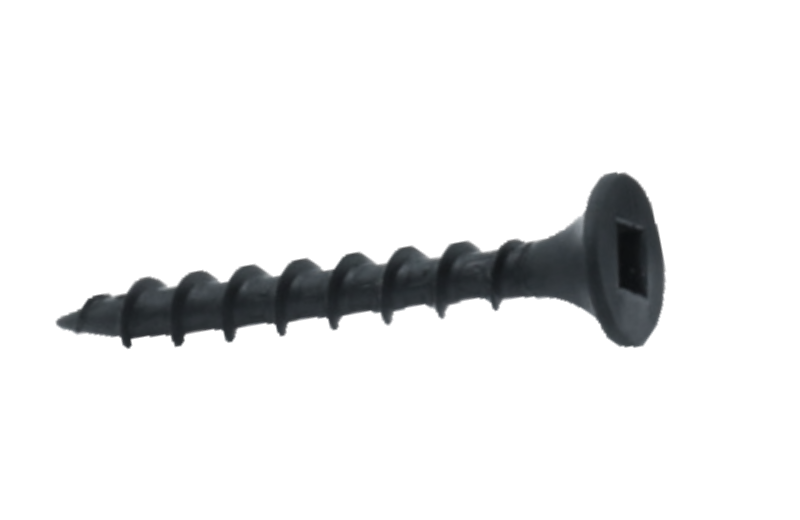
On this part, the “#6” indicates the diameter size, and the 1” indicates its length. It is driven by a square driver / bit, has a bugle shaped head, and is made out of steel with a phos finish. A phos finish has a light oil coating to assist with driving and is generally dark gray to black in appearance.
LAG SCREWS
Heavy duty fasteners for heavy wood loads, Lag Screws come in large diameters to provide a powerful hold. Can also be used with lag screw shields for installation into cement or masonry walls. Pre-drilling is required due to the large diameters of these parts. Pre-drilling into masonry is also required if installing a lag screw shield first.
Example of a Lag Screw description:
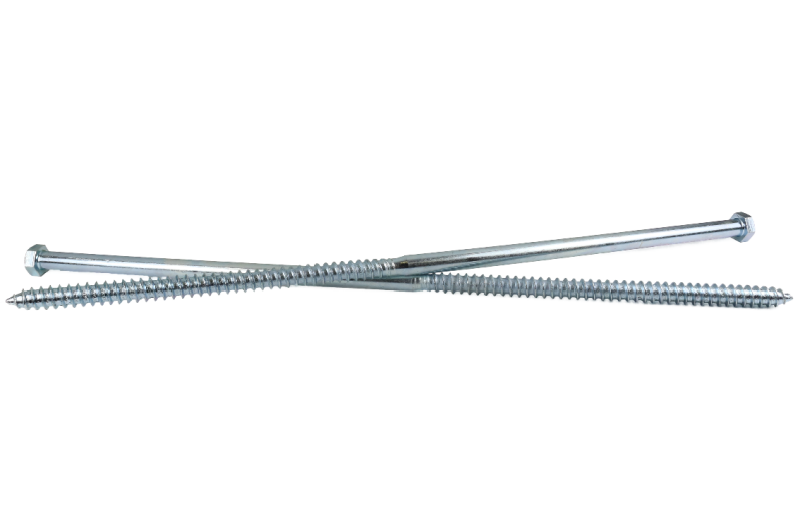
On this part, the “3/8” indicates the diameter size and the 14” indicates its length. As a lag screw, it is driven by a hex driver / bit positioned around its hex head. It is made out of steel with a zinc finish.
SELF-PIERCING SCREWS
Often called “roofing screws” or “metal roofing screws,” Self-Piercing Screws feature an extra sharp point that enables them to pierce thin metals. Their most common application is in the installation of metal roofs or siding onto wooden framing of outbuildings such as barns or sheds. Pre-installed metal washers with an attached rubber washer on the bottom surface are a common option as they help create a tight waterproof seal. Pre-drilling is not required.
Example of a Self-Piercing Screw description:
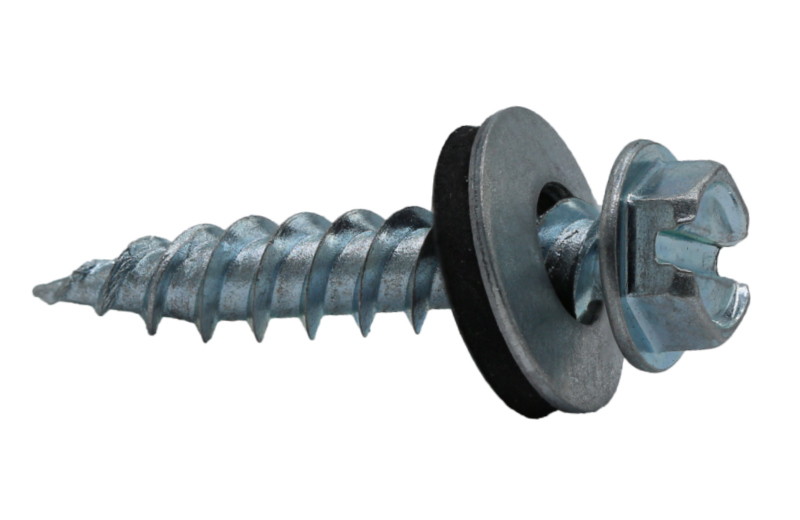
On this part, the “#8” indicates the diameter size and the 2” indicates its length. It can be driven by a slotted driver / bit but is more commonly driven using a hex driver / bit set around its hex washer head. It is made of steel with a zinc finish. It comes a pre-installed bonded neoprene washer which is common in self-piercing screws because of its ability to create a tight seal with the material into which it is being installed.
SELF-TAPPING SCREWS
“Self-tapping” is a common, and often misunderstood phrase in the world of screws. “Tapping” refers to a screws ability to tap it’s own matching threads (and sometimes it’s pilot hole) into materials. This can cover many screw types, but most commonly refers to type A and type AB screws.
- Type A Self-Tapping Screws – An almost exact match to Wood Screws, with matching thread counts and spacing, but with the exception that they are fully threaded in almost all cases. Pre-drilling may or may not be required depending upon many factors including the diameter size required and the density and brittleness of the receiving material.
- Type AB Self-Tapping Screws – Commonly called sheet metal screws, they feature finer threads than Type A and are often used in thin metals. Their finer thread spacing allows for a tight hold into the metal materials into which they are installed. As with type A, pre-drilling may or may not be required depending upon many factors including the diameter size required and the density and brittleness of the receiving material.
Example of a Self-Tapping Screw description:
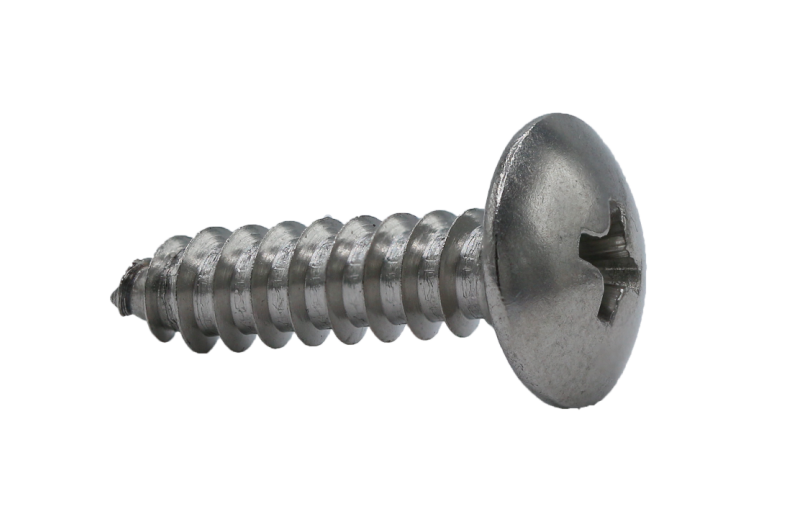
On this part, the “#10” indicates the diameter size and the 1 1/2” indicates its length. It is noted as a type A screw. It is driven by a phillips driver / bit, has a truss head, and is made out of steel with a zinc finish.
WOOD SCREWS
Wood Screws are common wood-based construction and building screws featuring widely spaced threads and usually only threaded about 2/3 of its length (in smaller diameters and shorter lengths they may be fully threaded). If you require them to be fully threaded, you will likely need a Type A Self-Tapping Screw. The wood screw category also covers deep thread wood screws, pole grip screws, and European drawer glide screws.
Example of a Wood Screw description:
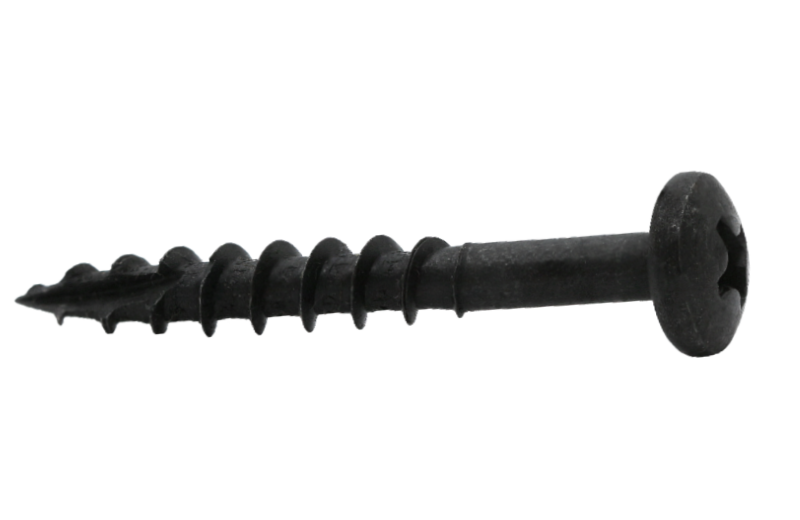
On this part, the “#12” indicates the diameter size and the 1 1/4” indicates its length. It is noted as a deep thread wood screw, a style variation of wood screws featuring sharp, deep threading. It is driven by a phillips driver / bit, has a pan head, and is made out of steel with a black oxide finish. The second line indicates that it is threaded 2/3s of the body length.
If you have additional questions about pointed tip style screws, we’d love to be a resource for you. Contact us at sales@fastenersuperstore.com, give us a call at (866) 688-2500 or use our live online chat in the upper right corner of this page!